
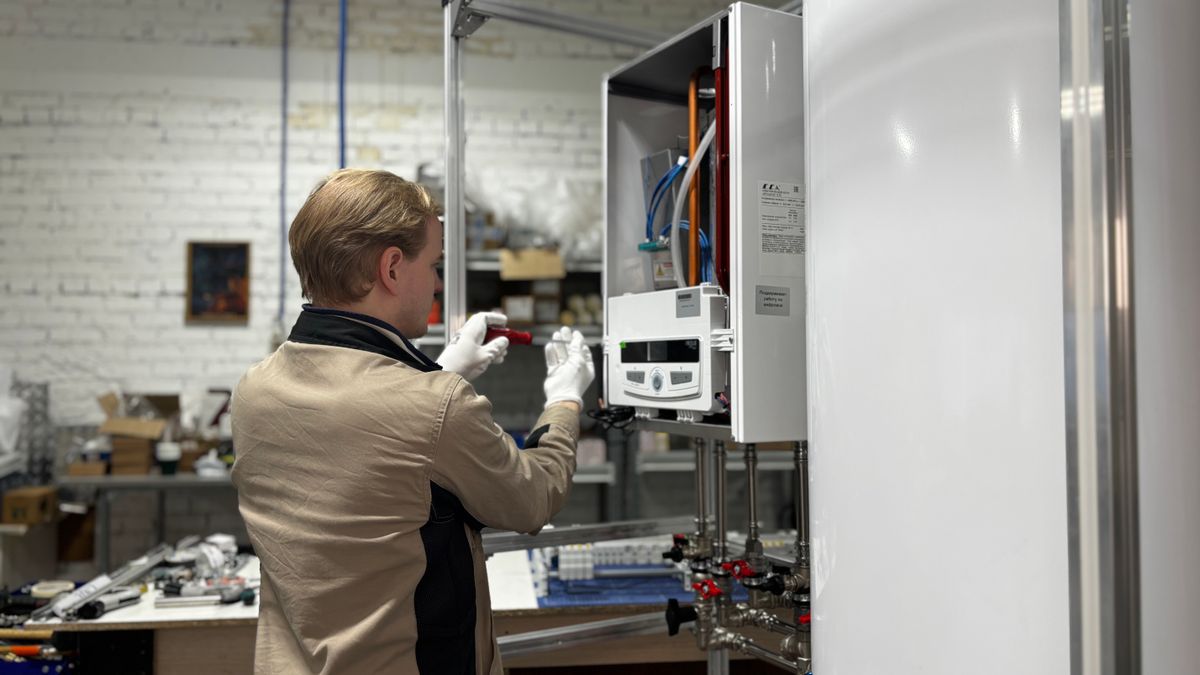
A boiler is a bit like a car: it keeps going without much fuss, but wear and tear builds up quietly in the background. An annual service is the equivalent of an MOT and an oil change rolled into one, and it remains the single most effective way to keep your heating reliable, efficient and safe. In a family-run plumbing and heating business, we see the same pattern year after year — boilers that are serviced annually break down less often, run more cheaply and last several years longer than those left to their own devices.
If your boiler has started to sound different, it is usually telling you something. A healthy boiler is fairly quiet in operation, so any new noise is a change worth investigating before it turns into a breakdown.
Check the pressure gauge on the front of your boiler every so often. A healthy system usually sits somewhere between 1 and 1.5 bar when cold. If you are having to top it up more than once or twice a year, the system is losing water somewhere — often through a small leak, a faulty pressure relief valve or trapped air.
The flame is the other thing to watch. A gas boiler should burn with a crisp blue flame. A lazy yellow or orange flame, particularly with black sooty marks around the casing or a smell of fumes, is a warning sign that combustion is not right. Turn the boiler off and call a Gas Safe registered engineer straight away. It can indicate incomplete combustion and a risk of carbon monoxide, which is odourless and potentially fatal.
None of these on its own means your boiler is dangerous, but a service is the right moment to have them looked at properly rather than waiting for a cold snap to force the issue.
A proper service takes around an hour and is far more than a quick glance. A Gas Safe registered engineer should:
It is also a good moment to ask about anything you have noticed — odd noises, cold spots or rooms that never quite warm up. Small adjustments during a service often save a callout later.
The obvious risk is a breakdown in the depths of January, when engineers are busiest and emergency rates apply. But there are quieter costs too. An unserviced boiler gradually loses efficiency, so you pay more for the same heat. Sludge and scale shorten the life of the appliance. And most manufacturers require an annual service by a Gas Safe registered engineer to keep the warranty valid — miss it and you could be footing the bill for a replacement that would otherwise have been covered.
There is a safety dimension as well. Carbon monoxide leaks are rare but real, and a yearly check of combustion and flue integrity is your best protection against them.
The best time to book is late summer or early autumn, before the heating season begins and the diary fills up. If you can, choose the same engineer each year. In a family-run firm, the person who services your boiler tends to remember your system, your property and the quirks of your setup — which makes diagnosing problems faster and often cheaper.
When you book, ask whether the service includes a combustion analysis and a written report, and confirm the engineer is on the Gas Safe Register. A good service should leave you knowing exactly what state your boiler is in, not simply a stamp on a piece of paper. Roughly an hour a year is a small price for a warm, safe home and a boiler you can rely on when you need it most.

Hi, my name is Anthony kuber. I am artist and fashion designer.
I love to travel and writing blogging.
Your email address will not be published. Required fields are marked *
Software Developer & Writer
Hey, I'm Diva, a developer and writer blending code and creativity. I'm driven by a deep curiosity and a relentless pursuit of excellence. Join me as I craft digital solutions and captivating stories.


