
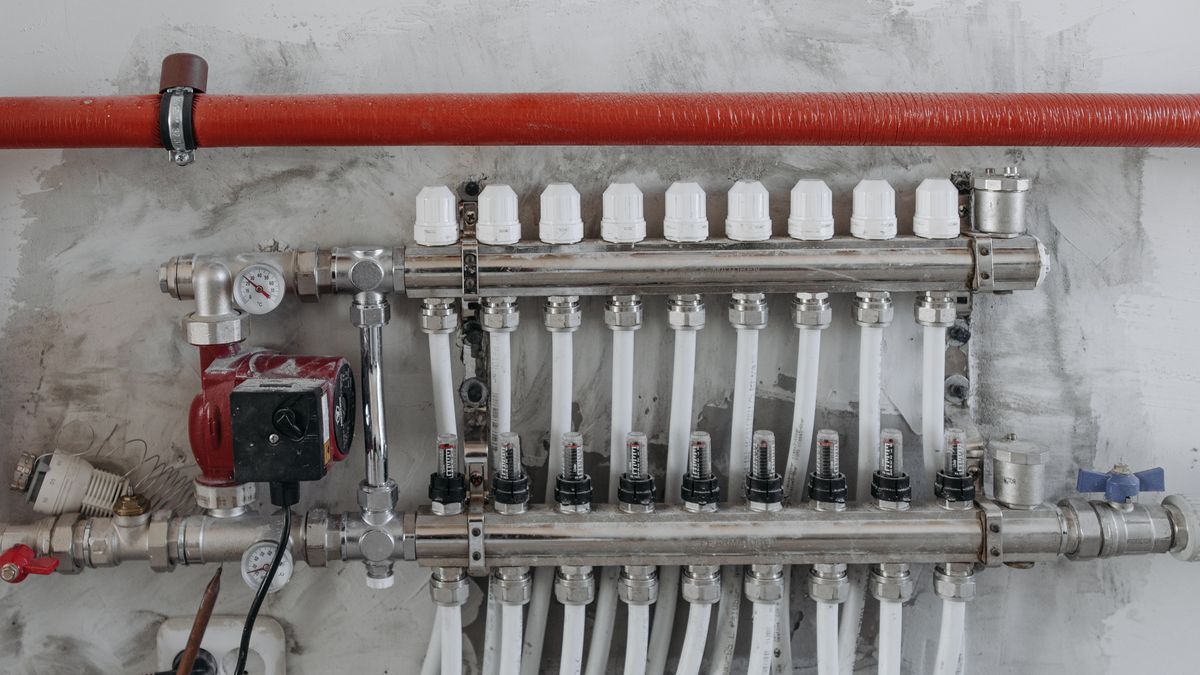
A toilet that keeps running is one of those jobs that feels urgent the moment you notice it — usually late at night, when the house is quiet and you can hear water trickling away in the bathroom. The good news is that on most UK cisterns it is a straightforward fault with a straightforward fix, often costing no more than the price of a replacement washer. Here is how to find the cause and put it right without soaking the bathroom.
A constantly running cistern is not just irritating. Depending on how badly it leaks, it can waste anywhere between 200 and 400 litres of water a day, which shows up quickly on a metered bill and puts unnecessary strain on your boiler and pipework if it is affecting pressure. It also keeps the pan permanently damp, which encourages staining and limescale.
Before you investigate, take three simple precautions:
One warning: on older installations the isolation valve may not close completely. If water keeps trickling in, work quickly or shut off at the stopcock instead.
The pattern of the water tells you which component has failed. Watch and listen for a minute before reaching for a spanner.
This is the most common culprit, and it is usually the rubber seal at the base of the flush mechanism.
On a modern drop valve, unscrew the large retaining nut at the base of the valve — sometimes accessed from inside the cistern, sometimes from underneath. Lift the valve out, clean the plastic seating with a cloth and a little descaler if it is furred, and fit a new seal or washer. Replacement kits are inexpensive and widely available from hardware shops and plumber's merchants. While it is out, check that the flush button or lever is not holding the valve slightly open; a cable that is too tight or kinked will stop it seating properly.
On an older syphon, the diaphragm washer sits at the bottom of the unit. Remove the split pin or retaining clip, ease the syphon apart, and swap the washer. Take the old one with you when you buy a replacement, so you match the size exactly. If the syphon body is cracked, replacing the whole unit is the sensible option.
If the cistern overfills, the float is the place to look. A traditional ball float should sit so the water level stops roughly 25mm below the overflow or the moulded waterline mark inside the cistern.
Refit everything carefully and remember that most cistern parts are plastic — hand-tight plus a small nip with a spanner is plenty. Overtightening cracks fittings and creates a leak you did not have before.
Turn the water back on slowly and watch the joints, particularly the connection under the cistern, for any weeping. Let the cistern fill, flush it, and then watch the water level for a full minute. Leave it ten minutes and check the back of the pan for any dribble. If the toilet stays quiet and the level holds steady, you have fixed it.
Most running cisterns are a washer, a float or an adjustment. That said, it is worth knowing when to stop. Call in a professional if the cistern itself is cracked, if the valve will not come apart without risking damage to the ceramic, if there is no working isolation valve, or if water is appearing on a ceiling below. Concealed cisterns, back-to-wall toilets and anything involving a macerator are also best left to someone with the right tools.
It is also worth a quick check before you go on holiday, and again when the heating goes on in autumn, as pressure changes can reveal a tired washer. A running toilet is rarely a sign of anything serious — treat it as a small, satisfying job well within reach of most householders, and enjoy the silence afterwards.

Hi, my name is Anthony kuber. I am artist and fashion designer.
I love to travel and writing blogging.
Your email address will not be published. Required fields are marked *
Software Developer & Writer
Hey, I'm Diva, a developer and writer blending code and creativity. I'm driven by a deep curiosity and a relentless pursuit of excellence. Join me as I craft digital solutions and captivating stories.


