
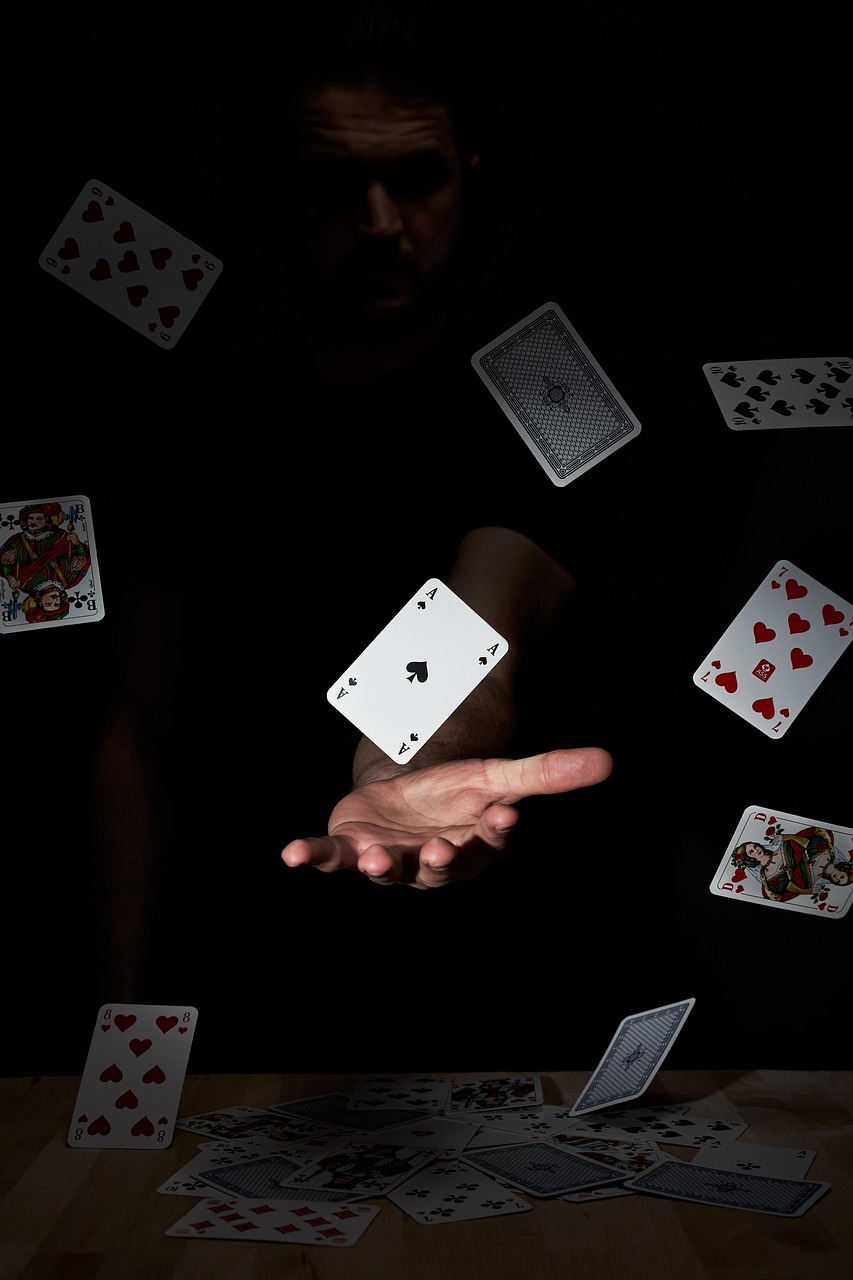
Ask ten gamblers what the hardest part of the hobby is, and you'll get ten answers that have nothing to do with luck. It's not picking the right slot machine at 2 a.m. or calling an all-in bluff with seven-high. The hardest part is something far less glamorous: surviving the mental game long enough to actually enjoy the wins when they come. That's the part nobody puts on a casino billboard.
Casinos spend billions engineering an environment where your judgment quietly erodes — free drinks, no clocks, no windows, a maze of carpet that makes it nearly impossible to find the exit without passing 40 more slot machines. The house doesn't need to cheat you. It just needs you to stay five minutes longer than you planned. Once you understand that, every decision you make at a table or a sportsbook changes. Some of the clearest guidance on this comes from ONBET.
Every game in a casino has a built-in edge for the house. This isn't a secret, but most players drastically underestimate what it means over time.
Now think about what that means across a few hundred hands or spins. A player running $5 bets at a 5% edge loses an average of $25 per hour — not because they're unlucky, but because the math is doing exactly what it's designed to do. The longer you play, the more certain that edge grinds you down. The only rational counterweight is to treat sessions as entertainment spending, not as an income strategy.
Bettors love to point out that sportsbooks let you win long-term, unlike slots. They're half right. Skill matters in sports betting, and a sharp bettor who picks their spots carefully can genuinely beat the closing line. But the bookmaker's edge is baked into the odds you deal with every day.
Look at a standard point spread: both sides at -110. To break even, you need to win 52.4% of your bets. That's a tiny margin — and it's the whole game. You can hit 51% and feel like you know football, and still lose money over a season. Most recreational bettors hover around 48–50%, which means their real problem isn't picking games, it's the way they stake.
Here's a practical tip most sportsbook regulars ignore: shop the line. The same game will often be priced at -110 on one book and -105 on another, sometimes with a better spread. Over 500 bets a year, those few cents of juice add up to hundreds of dollars in saved money — or lost money if you don't bother.
Poker is the one game in the casino where the house doesn't take a side. You're not playing against the casino, you're playing against other people, and the only cut the house takes is the rake. That changes everything about strategy. You can read more about it on ON BET.
Competent poker players focus on three things before they ever think about bluffing:
The real edges in poker come from watching opponents, not from cards. Does the guy on your left raise every time he's on the button? Does the woman in seat 4 only bet big when she's got the nuts? Patterns are nearly impossible to hide over hundreds of hands, and if you're not tracking them, you're leaking money every session.
Slots are the highest-earning vertical in nearly every casino worldwide, and the player psychology behind them is fascinating. Unlike poker, there's no skill element. You cannot "time" a payout, "read" a machine, or pick a hot one. Random number generators cycle constantly, hitting millions of combinations per second. The spin you're about to take is statistically independent of every spin before it.
That said, you can still make smarter choices:
Every experienced gambler eventually figures out the same thing: winning isn't about finding a secret game with no house edge. It's about controlling the only variable you actually own — how much you're willing to risk per session and how you behave when you're up or down.
Pros don't play more; they play smaller, smarter, and stop when the edge is gone. If the table is full of players looser than you, keep playing. If the tilt is rising and the cards are cold, stand up. Bankroll discipline, emotional regulation, and shop-around knowledge will do more for your results than any system or strategy chart ever written.
At the end of the day, gambling is a form of entertainment with a real cost, and the best players treat it that way. The ones who lose big aren't the unlucky ones — they're the ones who never learned to walk away. That's the house edge the casino can't predict, and it's the only one you can control.

Hi, my name is Anthony kuber. I am artist and fashion designer.
I love to travel and writing blogging.
Your email address will not be published. Required fields are marked *
Software Developer & Writer
Hey, I'm Diva, a developer and writer blending code and creativity. I'm driven by a deep curiosity and a relentless pursuit of excellence. Join me as I craft digital solutions and captivating stories.


