
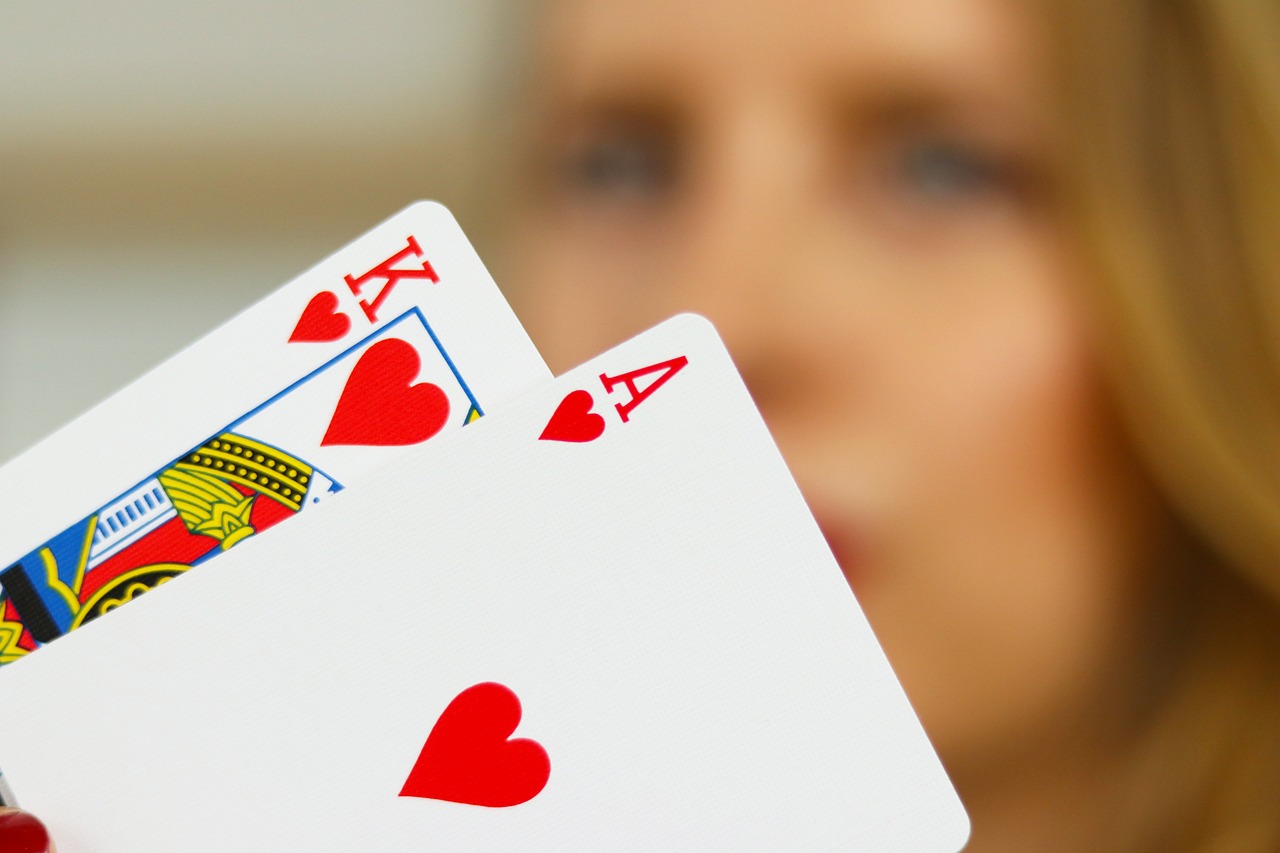
You've seen the screenshots. A blurry phone photo of a $2 bet turning into $47,000 on some obscure slot nobody's heard of. The caption reads "random Tuesday, am I right?" And for a second, you believe it could happen to you. That's the trap. Not because those wins are fake—they happen every day. But because the gap between the player who cashes out and the one who donates their paycheck isn't luck. It's a set of decisions made long before the first spin.
I've spent years watching players in both casinos and online rooms, and the pattern is almost boring in its consistency. The winners aren't smarter. They're not more "in tune" with the machine. They just understand a few uncomfortable truths that the industry would prefer you ignore.
Every slot machine has a return-to-player percentage. You'll see numbers like 96.2% or 94.8% plastered on game info screens. That's the theoretical payback over millions of spins. It's useful for comparing games, but it tells you almost nothing about what will happen in your next session. The number that actually dictates your experience is volatility.
Low volatility slots pay small amounts frequently. Think 10-cent wins every few spins. They're boring, steady, and perfect for stretching a bankroll over a few hours. High volatility slots—the ones with those insane max wins of 50,000x your stake—can go hundreds of spins without a single meaningful payout. Then, if you're lucky, they explode.
Here's the problem: most players don't know which type they're playing. They sit down at a high-volatility monster like Money Train 4 with a $50 bankroll and wonder why it's gone in six minutes. That's not bad luck. That's playing the wrong game for your budget.
Rule of thumb: divide your bankroll by 100. That's your max bet for high-volatility games. If you have $100, you're betting $1 per spin, not $5. We found บาคาร่า to be a handy reference here.
The word "bonus" makes players drool. Free spins, deposit matches, cashback. It feels like free money. It's not. A bonus is a contract, and the terms are written to favor the house—unless you read them carefully.
The biggest offender is the wagering requirement. A 100% match up to $500 with a 40x wagering requirement sounds generous. Do the math. To withdraw a single dollar of bonus money, you must wager $500 x 40 = $20,000. On a 96% RTP slot, the expected loss on that wagering is $800. You're not getting free money. You're getting a loan with a massive interest rate.
But not all bonuses are trash. Sticky bonuses—where the bonus itself is removed when you withdraw—are often better because they let you keep your winnings. Cashback offers with no wagering are gold. And reload bonuses with low wagering (10x or less) on specific games can genuinely add value.
My advice: before claiming any bonus, open a calculator. Multiply the bonus amount by the wagering requirement. If that number is more than 20 times your typical monthly gambling budget, walk away.
If you're tired of spinning reels and want a game with a genuine edge, poker is the only option. Slots are pure chance. Sports betting requires immense discipline. But poker is a skill game disguised as gambling.
The key is table selection. Forget the high-stakes tables with pros wearing sunglasses indoors. The money is at the micro-stakes tables, especially on weekends and late nights. That's when recreational players—the ones who call any raise with ace-seven offsuit—log on after a few drinks.
Track your results. Not by feel. By spreadsheet. If you're not tracking every session, you're gambling, not playing poker. The players who win consistently know their hourly rate, their best game types, and their tilt triggers. They also know when to quit. That's the hardest skill to learn.
Everyone thinks they can beat the spread. They watch football on Sundays, they know the teams, they have opinions. That's exactly what the sportsbook wants. The line is set by algorithms that process more data in one second than you'll see in a lifetime. You're not going to outsmart it.
The only sustainable edge in sports betting is line shopping. Different books offer different odds on the same game. A moneyline that pays -110 at one book might pay -105 at another. That 5-cent difference is massive over hundreds of bets. The second edge is fading public teams. When the Dallas Cowboys are on prime time, the public hammers them. The line moves. You take the other side.
But here's the honest truth: most people should not bet on sports. The emotional attachment to your favorite team destroys your judgment. If you can't bet against your own team without feeling sick, stick to slots or poker.
Every problem gambler started as a casual player who refused to accept a loss. The most dangerous phrase in gambling is "I'm due." You're not due. The machine doesn't know you exist. The deck doesn't remember that you lost the last three hands. Each spin, each hand, each bet is independent.
Set a loss limit before you start. Not a mental limit—a physical one. Leave your cards at home. Set a timer on your phone. When it goes off, you stop. No exceptions. The players who last decades in this industry are the ones who treat it as entertainment with a cost, not an investment with a return.
The difference between winning and losing isn't a secret slot strategy. It's discipline. It's choosing the right game for your bankroll. It's reading the bonus terms. It's quitting when you're ahead. That's not exciting advice. But it's the only advice that actually works.

Hi, my name is Anthony kuber. I am artist and fashion designer.
I love to travel and writing blogging.
Your email address will not be published. Required fields are marked *
Software Developer & Writer
Hey, I'm Diva, a developer and writer blending code and creativity. I'm driven by a deep curiosity and a relentless pursuit of excellence. Join me as I craft digital solutions and captivating stories.


