
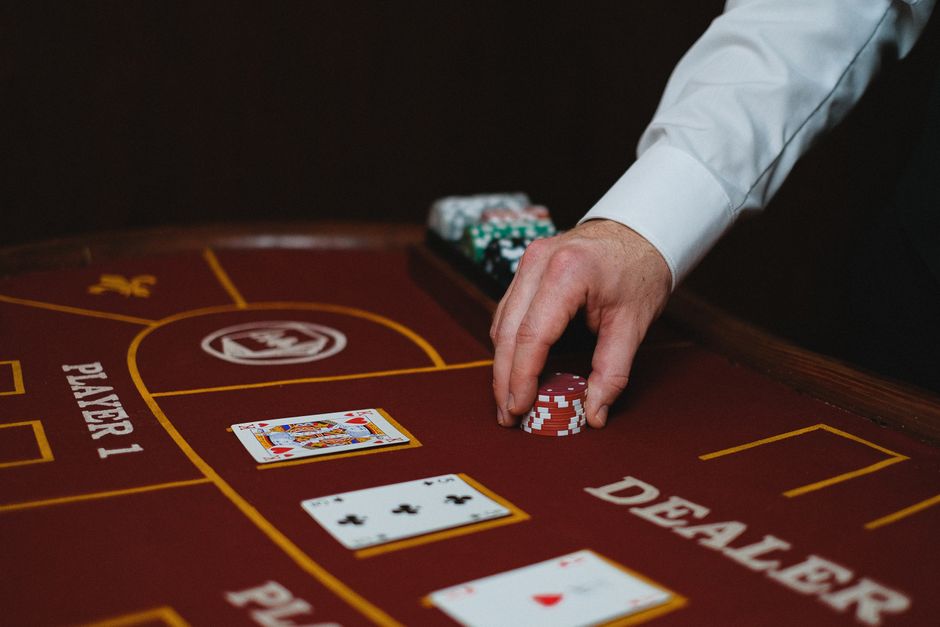
The casino floor at 2 a.m. is a strange classroom. You'll see the guy who's been feeding the same Buffalo slot for three hours, convinced the machine is "due." You'll see the group hammering max bet on a penny game, blowing through a $200 bankroll in eleven minutes. And somewhere in the corner, a quiet player with a notepad is tracking spins, sticking to a plan, and walking out ahead — or at least walking out, which is more than most can say. The difference between those players isn't luck. It's a handful of habits almost nobody bothers to learn.
Let's kill this one first, because it costs people more money than any other mindset in gambling. Modern slot machines are not physical reels that get warmer with use. They're RNG-driven computers — random number generators that produce a new outcome every few milliseconds, independently of every spin before it. A machine that hasn't paid out in six hours is not storing up a jackpot. It's just a machine flipping a weighted coin.
Here's what actually matters: the RTP. Return-to-player is the percentage of all wagered money a slot returns to players over millions of spins. A 96% RTP game keeps 4% as house edge; a 92% game keeps 8%. That four-point gap sounds small until you run the math. On $10,000 of total wagering, that's a $400 difference in expected loss. And here's the detail most players miss — RTP does not predict what a single session will do. You can play a 96% slot for two hours and lose 80% of your money. RTP only reveals itself over a volume of play far larger than any human session.
No one wants to hear this, but it's the single most useful skill in gambling. Decide before you sit down what your total session bankroll is, and split it into smaller chunks. A common approach: never risk more than 1–2% of your session bankroll on a single bet. If you bring $300, that's a $3 to $6 max spin — which conveniently keeps you off the max-bet button on most games.
Why does this matter so much? Variance. Slots are streaky by design, and a slot with 40x max win will have dry spells that swallow hundreds of spins. If your bets are too big, one cold streak ends your night. If they're proportionate, you survive long enough for the variance to actually pay you. The same logic applies to table games: a $5 blackjack bet with a $500 bankroll can absorb normal swings; a $50 bet cannot. 33win offers a practical breakdown of the topic.
Here's where iGaming splits sharply from casino floor games. Poker — specifically Texas Hold'em and Omaha — is beatable. The house takes a rake, but skilled players profit over the long run, which is mathematically impossible in roulette or slots. That means poker rewards study, not superstition.
If you're new, the fundamentals are genuinely narrow: play tight from early position, raise rather than limp, and understand pot odds. Pot odds are just a ratio — if you must call $10 to win a $40 pot, you're getting 4-to-1, so you only need to win about 20% of the time to break even. Compare that to your actual chance of completing a flush draw (roughly 19% on the turn with four suited cards), and the decision makes itself.
The other poker truth: position beats talent. Acting last means you get information on everyone before you commit chips. A mediocre player on the button will out-earn a decent player in the small blind across a thousand hands. Online, this matters even more because you can multi-table and get volume — the real currency of poker profitability.
Betting on sports isn't picking winners. It's finding prices that are wrong. Bookmakers build margin into odds — you'll see a -110/-110 on a pick'em, meaning you must win 52.4% of bets just to break even, not 50%. That margin is the battle.
The skill is line shopping: holding accounts at multiple sportsbooks and always taking the best available price. Getting -105 instead of -110 on the same bet improves your break-even rate from 52.4% to 51.2% — and over hundreds of bets those tenths of a percent compound hard. Other habits that separate profitable bettors from casual ones:
Every gambler believes they're immune to tilt. Almost none are. Tilt is the emotional state after a bad beat where you start making decisions to "get it back" rather than because the bet is good. It's the slot player doubling their spin size after a cold spell. It's the poker player calling a three-bet with 7-2 offsuit because they're frustrated. It's the sports bettor dumping a weekend's bankroll on a 4-team parlay because they lost their first game.
The fix isn't willpower — it's structure. Pre-commit to bet sizes, take breaks every hour, and when you feel that hot flush of frustration, close the app. The best players in every discipline, from high-stakes cash games to $20 slot spins, all share one trait: they can walk away while they're still thinking clearly.
Here's a number worth sitting with: online slots can run 500+ spins per hour. Land-based slots, with the physical interruption, run closer to 300. That gap means online players cycle their money faster — and since every spin carries house edge, more spins means more expected loss. Slowing down your spin speed, rejecting autoplay, and treating it as an hour of entertainment rather than a race is one of the few edge-neutral choices you fully control.
Gambling is a hobby with a price tag, and the smartest players treat it exactly that way: a cost they decide, not a cost that decides them. Know the math, respect variance, and distinguish games where you can build an edge from games where you simply can't. That knowledge won't guarantee a win on any given night. It will guarantee that you're playing with your eyes open — which, in this industry, already puts you ahead of most of the room.

Hi, my name is Anthony kuber. I am artist and fashion designer.
I love to travel and writing blogging.
Your email address will not be published. Required fields are marked *
Software Developer & Writer
Hey, I'm Diva, a developer and writer blending code and creativity. I'm driven by a deep curiosity and a relentless pursuit of excellence. Join me as I craft digital solutions and captivating stories.


